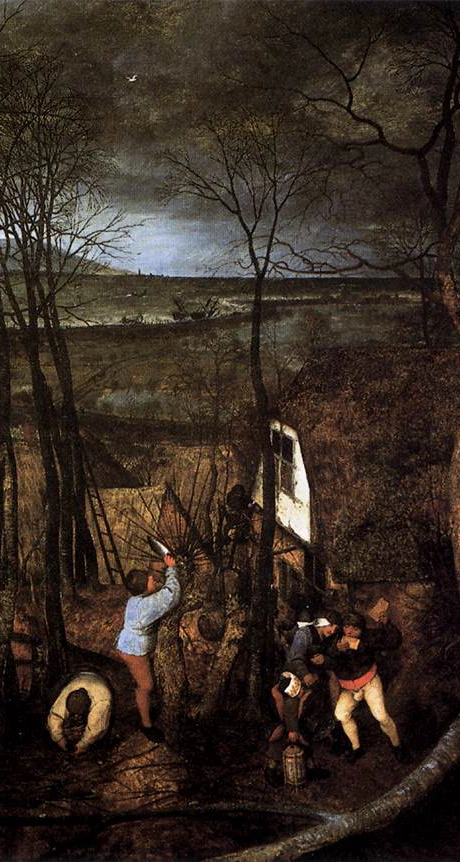
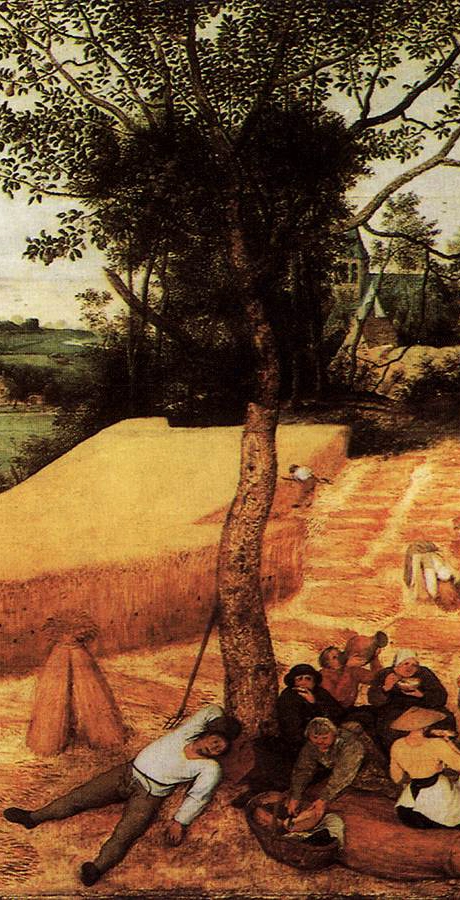
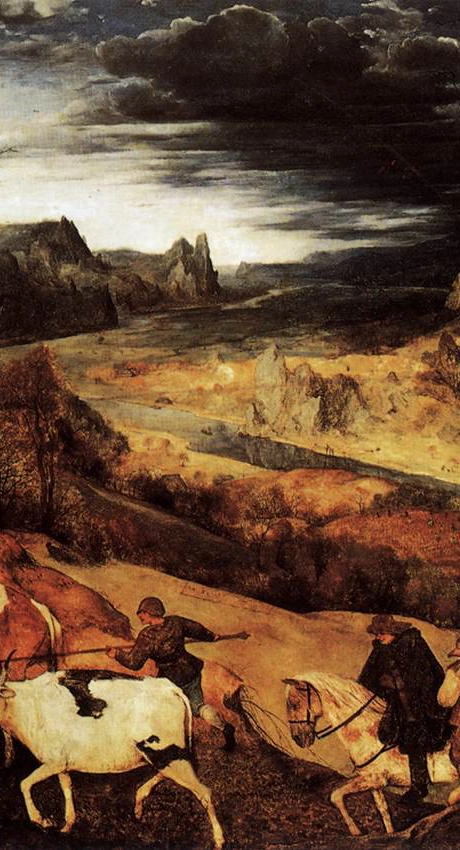
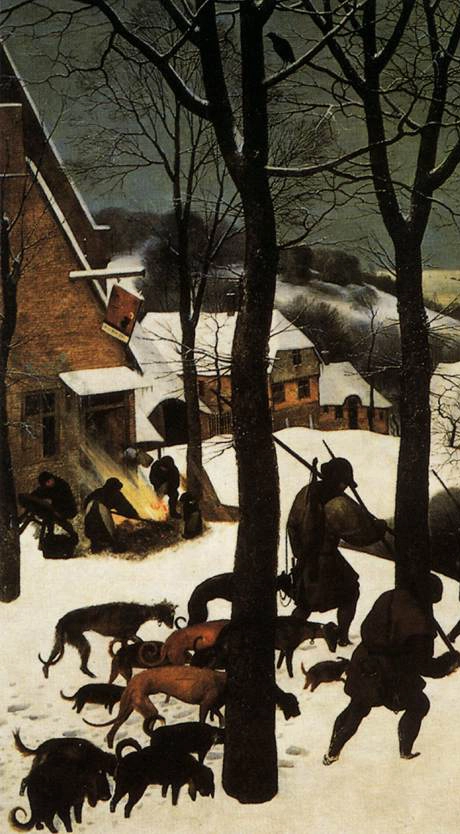
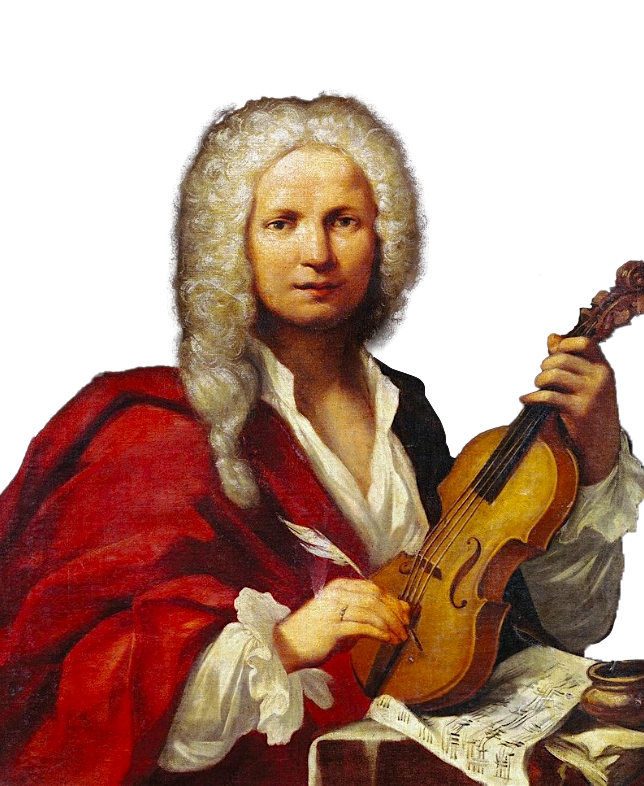
The red-haired composer born in the City of Masks, Venice. Antonio Vivaldi. He was meant to be a priest, and he was, but music had other plans. 'The Red Priest' (a nickname earned from his curly red hair) painted pictures with sound. His most famous work, The Four Seasons, tells the story of each season through music inspired by sonnets he most likely wrote himself. Listen closely, can you hear the birds singing in Spring, the swarm of flies in Summer, the slumbering guests at an Autumn party, or feet stomping in the harsh Winter snow?
Listen
to
See
Classical music, seen through feeling
scroll to explore

Nine pieces
Three eras
One story
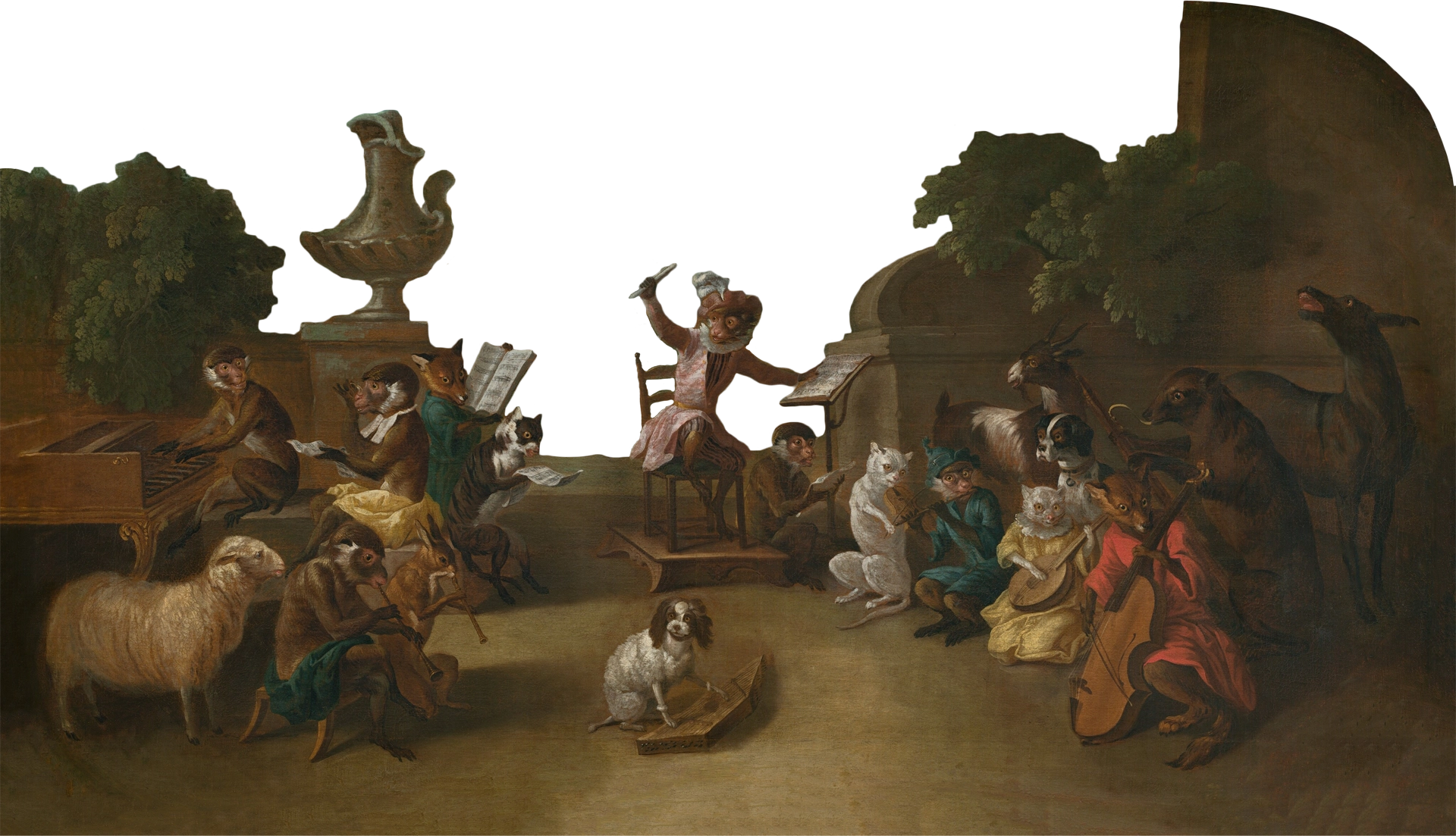
Yes, I am going to tell you the history of classical music (yawn). But don't worry, I'm not going to lecture you with heavy text or historical facts. I'm going to tell the story through the sounds of three eras and nine pieces, paired with visual art that I think fits the mood, feeling, and backstory.
Turn on audio to bring the history to life.
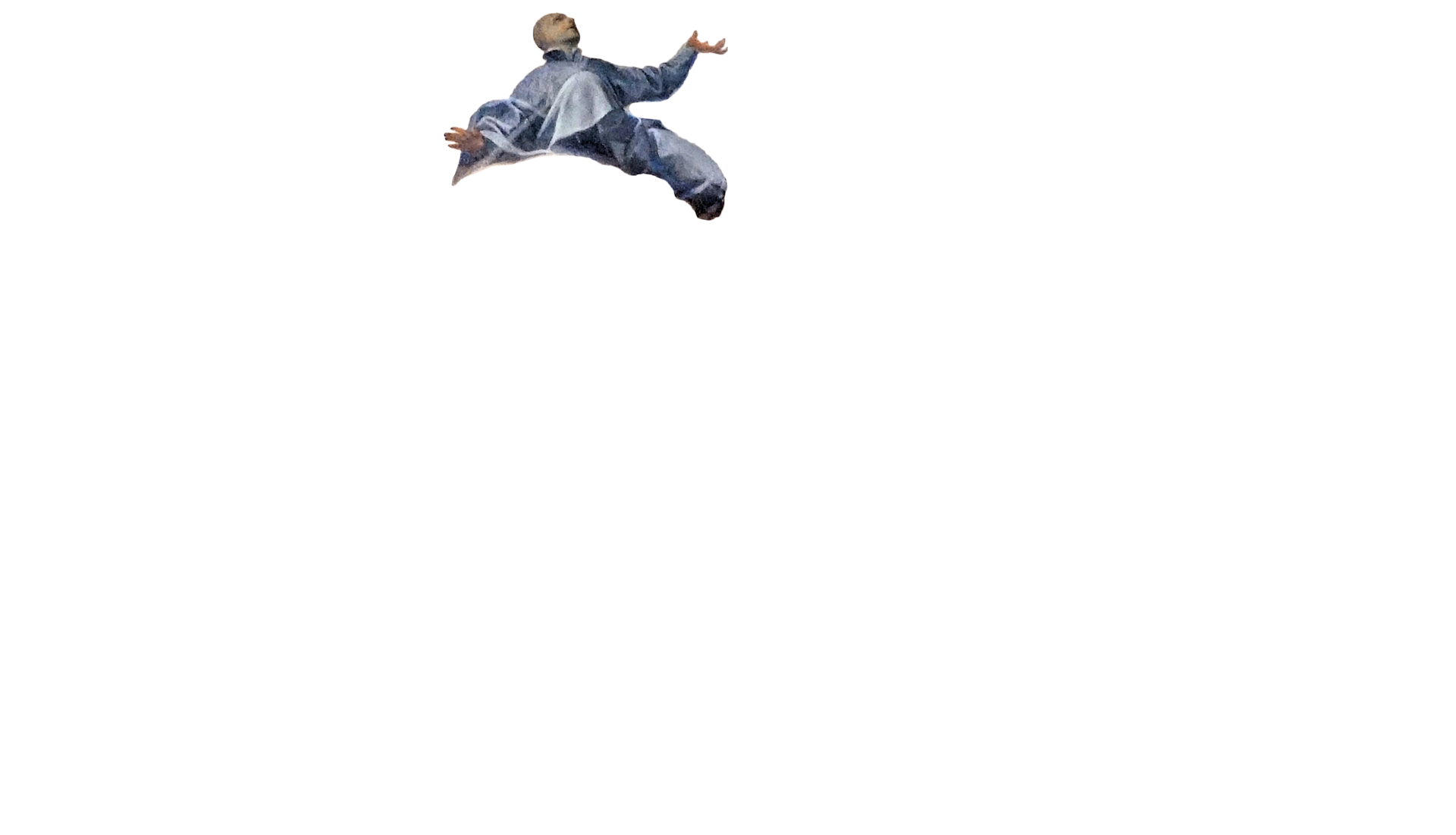
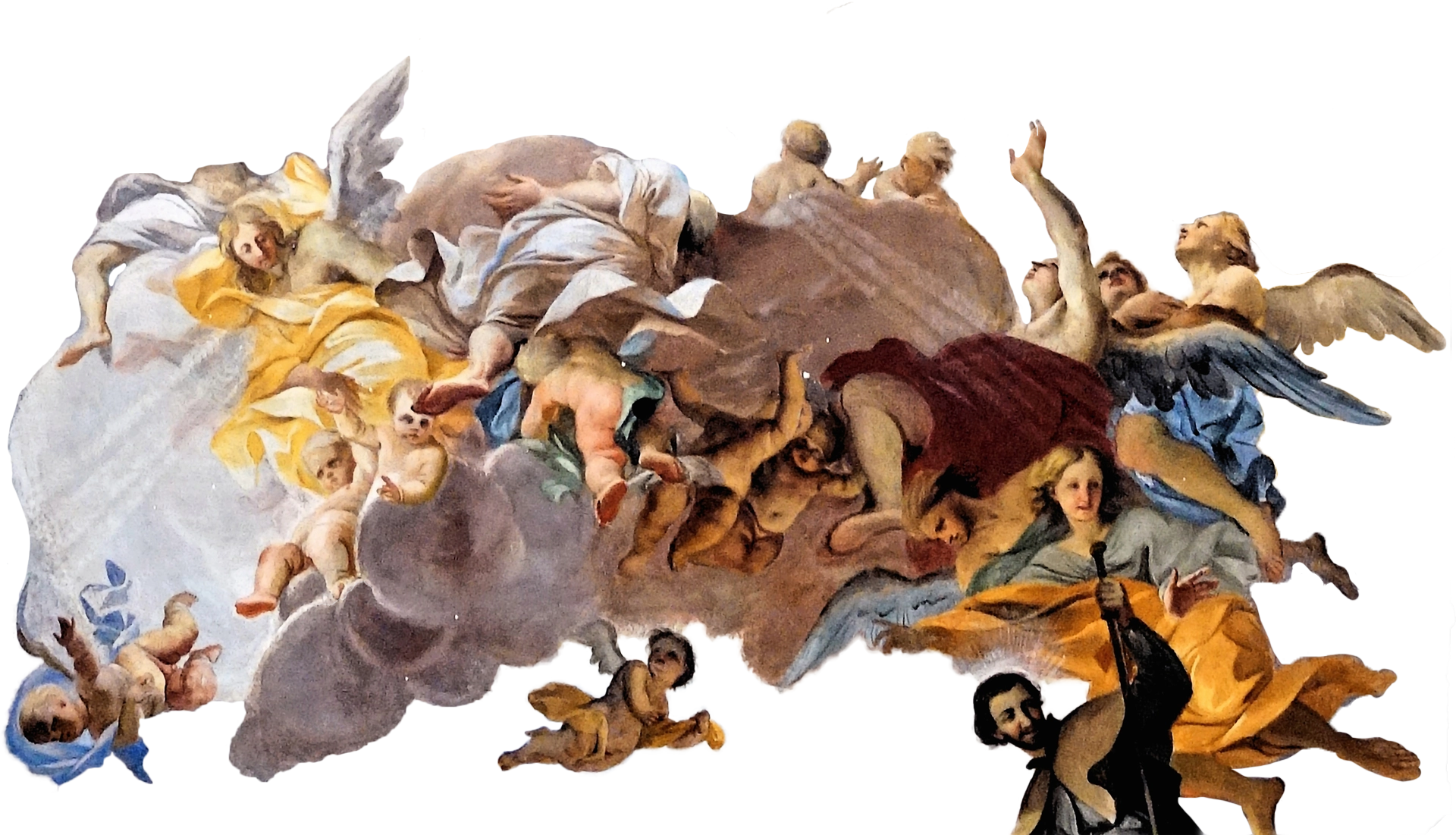
When your audience is a King or God,
you better make it grand
Grand, busy, luxurious, and religious — these are the words I use to define the Baroque era. Baroque comes from the Portuguese word barroco, meaning 'misshapen' or irregular pearl.
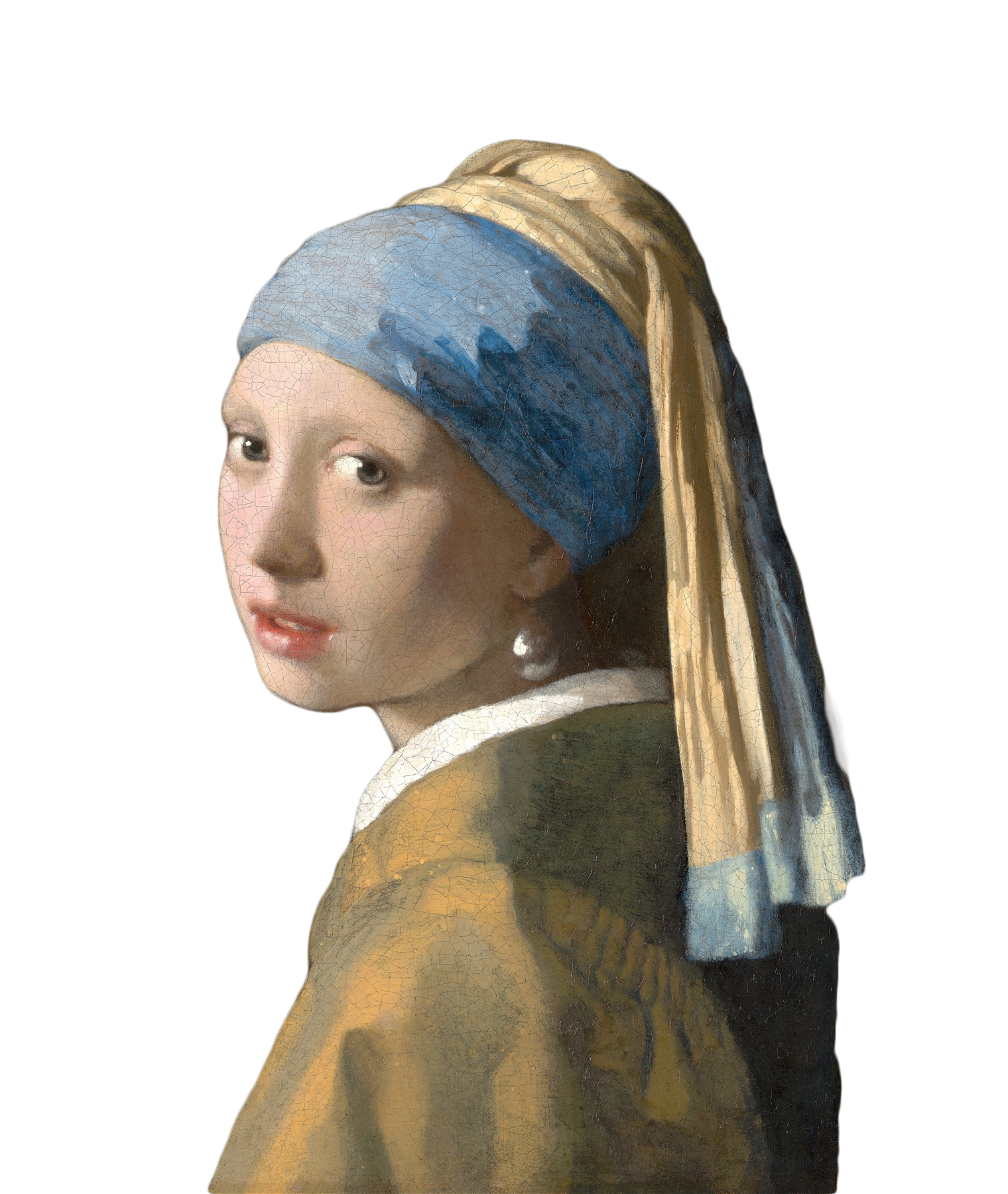
The music is busy and massive, like a crowded four-way intersection filled with cars — so crowded, but it works.
George
Frideric
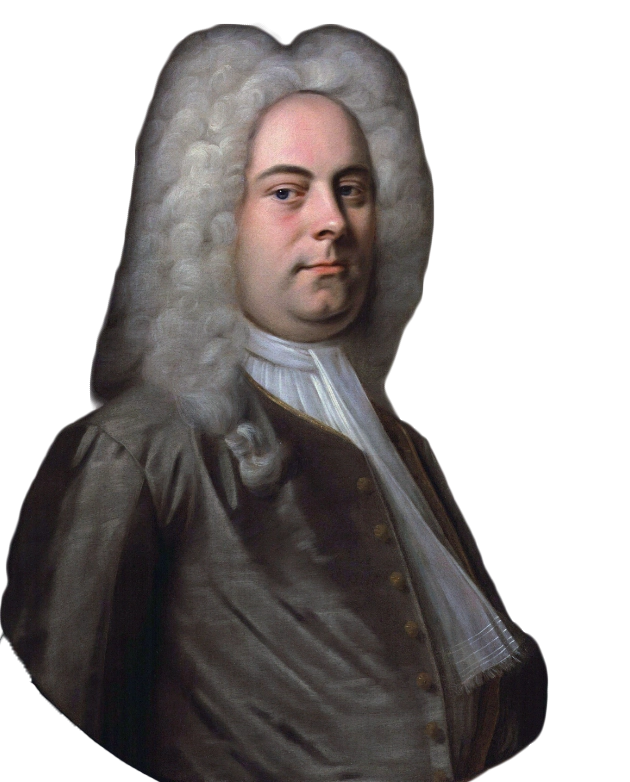
Handel
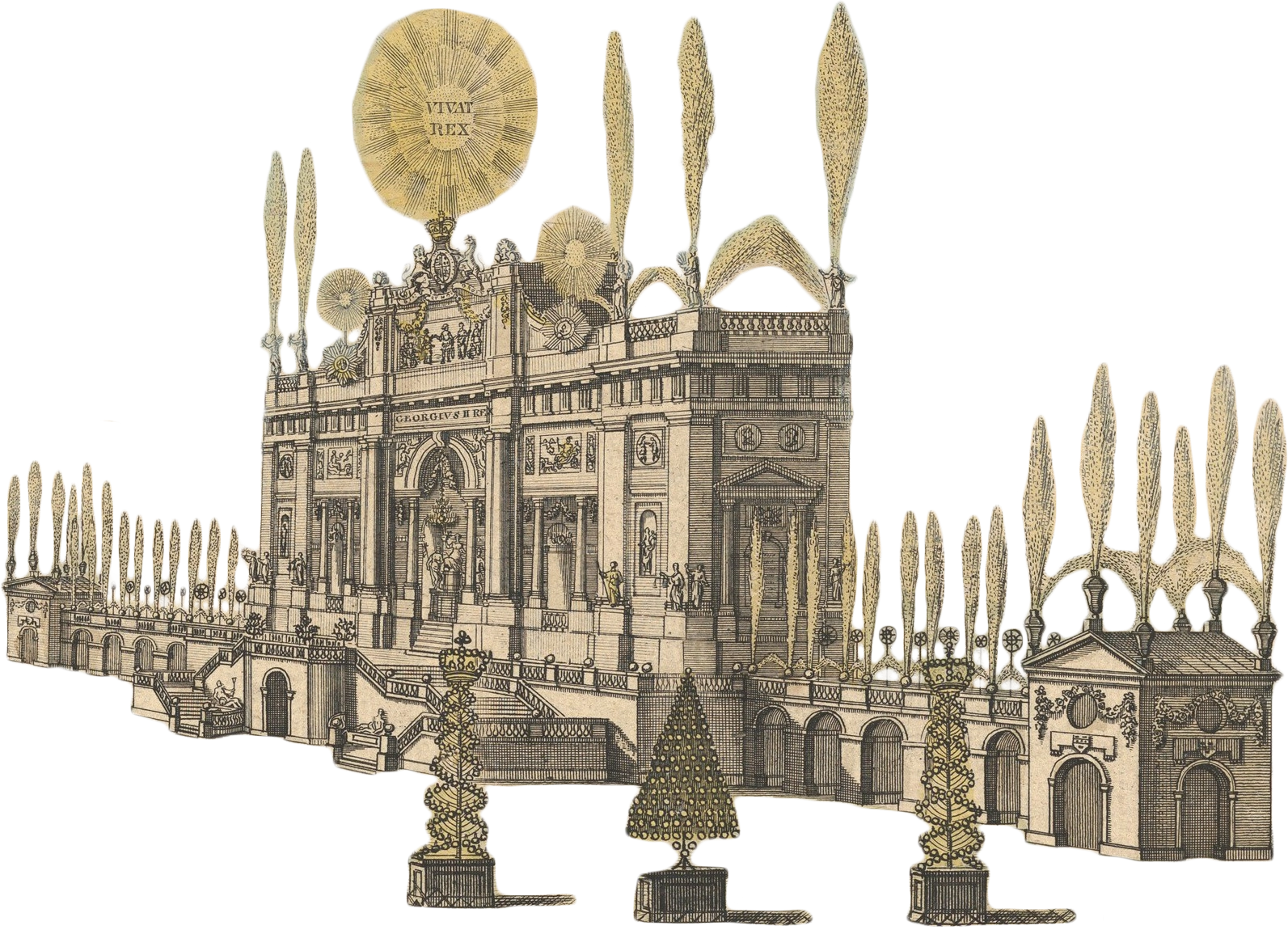
Let's start with the grand opening of a grand composer — George Frideric Handel, a German-born composer who trained in Italy and made his name in England. You can't talk about Baroque without Handel. Just look at his most well-known work — 'Hallelujah' from the oratorio Messiah — or Music for the Royal Fireworks, composed for King George II's fireworks celebration.
Antonio
Vivaldi
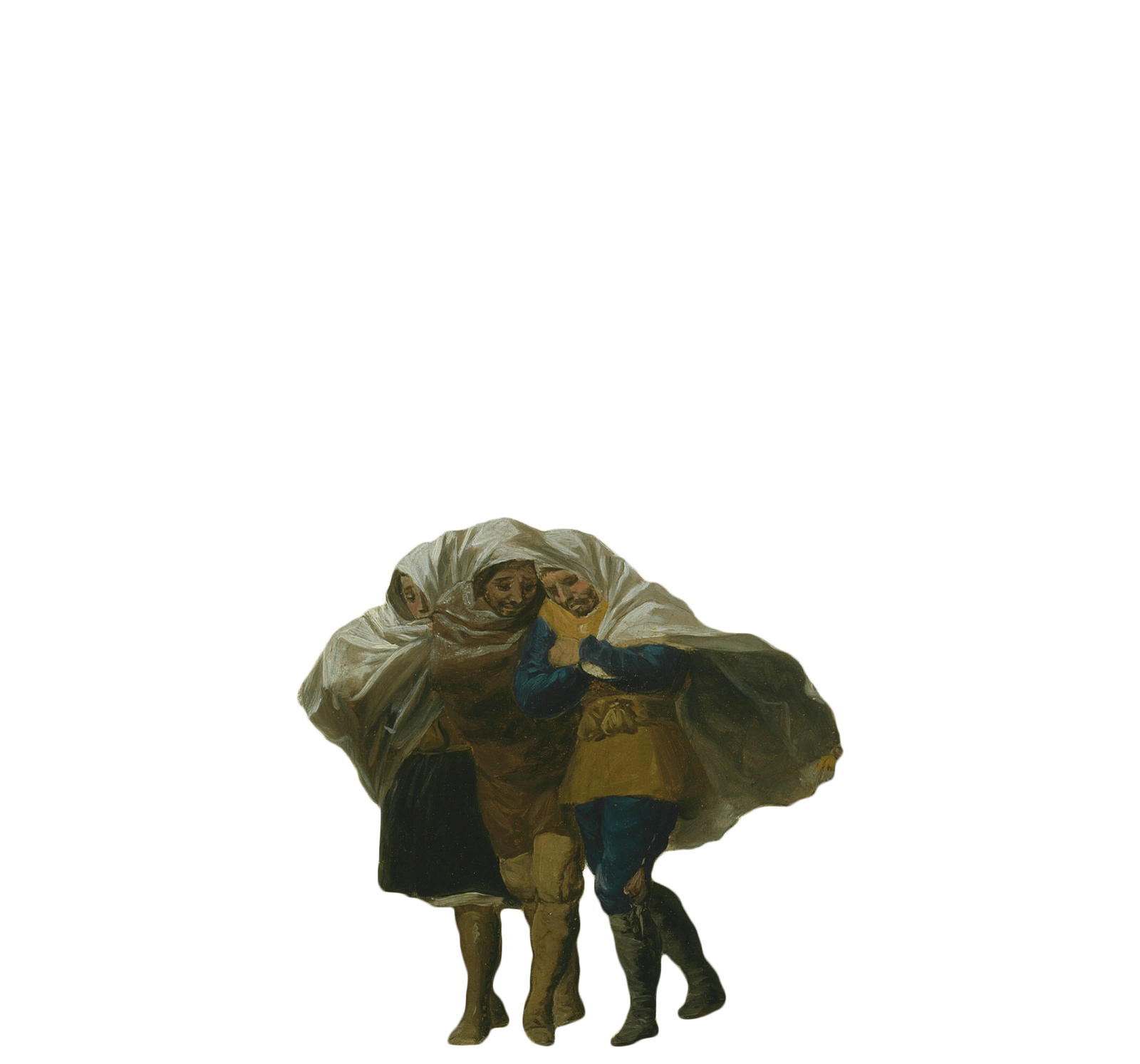
To shiver, frozen, amid icy snow,
in the bitter blast of a horrible wind;
to run, stamping one's feet every moment;
and from the excessive cold, teeth chattering

Johann
Sebastian
Bach
We are at the end
of the era
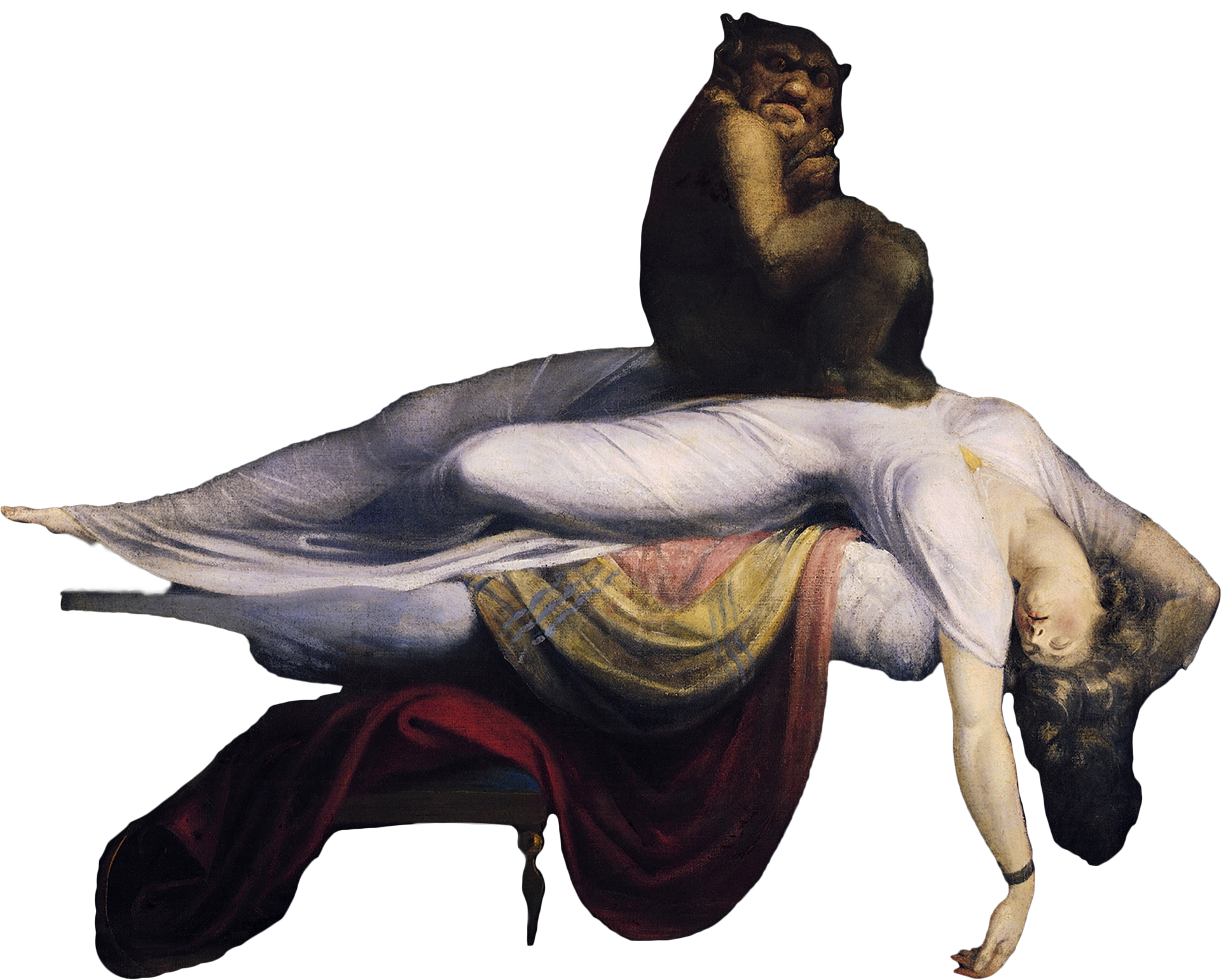
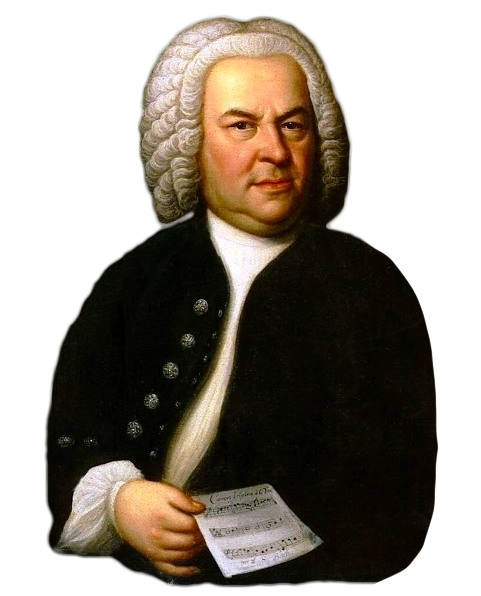
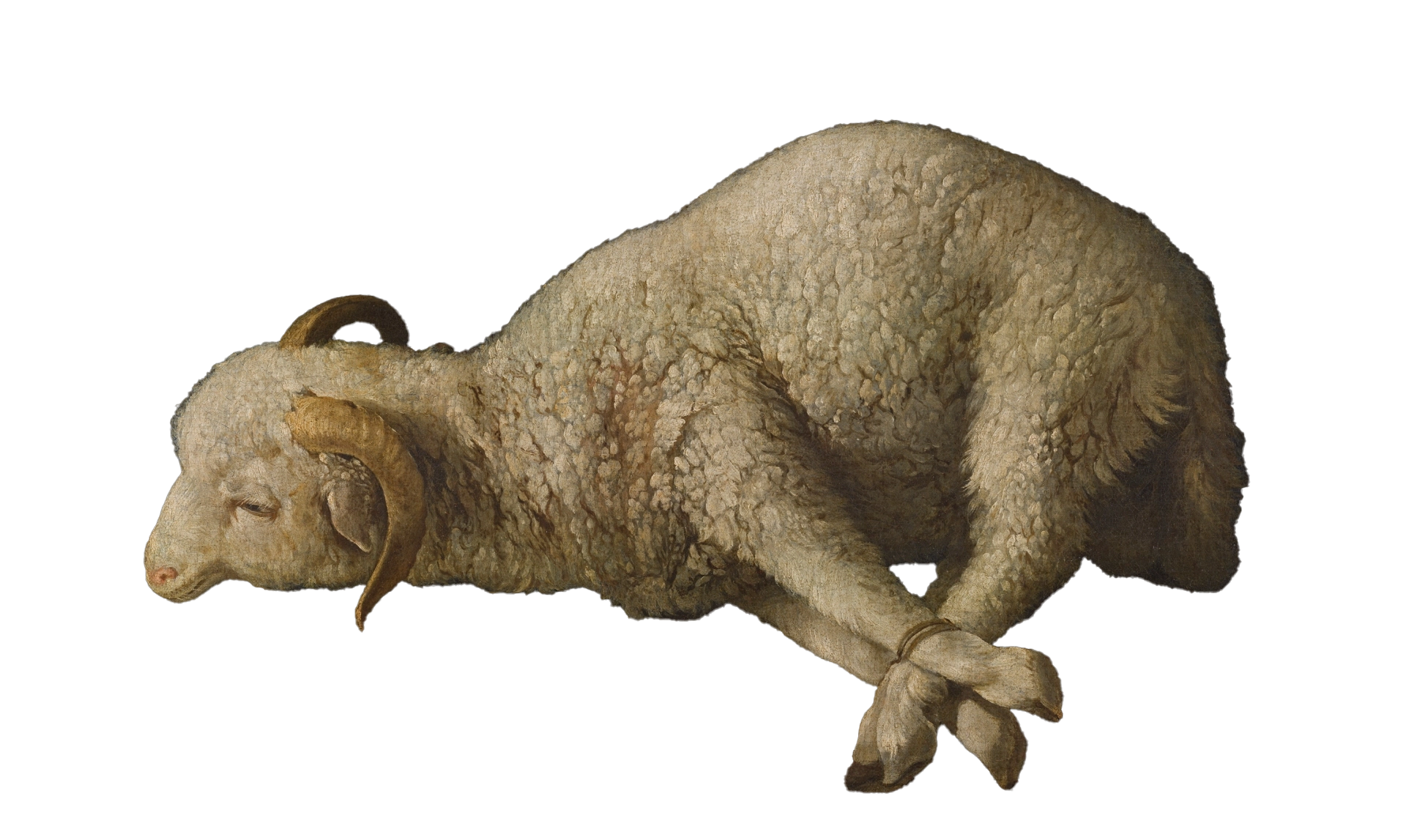
and there is only one way to close it out — with the Father of Western Music, the composer who marked the end of an era. Johann Sebastian Bach, a German composer behind masterpieces you might already know, the Toccata and Fugue, the Cello Suites, Air on the G String. But let me introduce you to an organ piece as complex and busy as the Baroque era itself, The Great Fantasia and Fugue in G minor, BWV 542. One of Bach's most ambitious works for the organ. The fugue is based on a Dutch folk song 'Ik ben gegroet van…' or 'I have been greeted by…' written as a tribute to the organist Reinken. The story behind it is simple. But the massive weight of the first note is not. Dark, tragic, and intense. I picture something sinister standing in front of me, but it doesn't come to me. I walk into it myself.
And I have been greeted by…